
Manufacturing and quality position
Hytanbio Tech was founded in Hong Kong in 2026 for global business development. The company reports an in-house commercial production base established in 2014 in Shaoxing, Mainland China, supported by an R&D center of more than 4,000 square meters. For injection pen projects, the relevant claim is not the size of a facility alone but whether the selected site, equipment, process controls and quality records cover the exact device configuration. HYTANBIO therefore presents manufacturing capability as a project-verification topic. Buyers can request the entity name, site scope, applicable quality-system documents, process flow, inspection plan, traceability approach and product-specific evidence before commercial approval.
From molded parts to controlled assembly
A typical device program can involve injection-molded or machined housings, purchased springs and fasteners, cartridge-interface components, printing or surface finishing, subassembly, final assembly, functional checks, packaging and release. The actual route depends on the platform and whether the device is mechanical, electronic, reusable or single use. Critical characteristics are identified through the project risk and specification process. Incoming, in-process and final checks are then aligned to those characteristics rather than relying only on visual inspection. When a process is outsourced, supplier qualification, specifications, incoming criteria and traceability responsibilities are defined. Production records are linked to the approved configuration and batch so changes can be assessed and investigated.
Qualification evidence and certificate verification
HYTANBIO reports an ISO 9001:2015 quality-management certification. Buyers should verify the certificate copy, legal entity, site address, certification body, accreditation, scope and validity before relying on the claim. Other terms such as ISO 13485, GMP, CE or FDA can refer to different entities, sites, systems, products or regulatory roles and are not displayed as blanket approvals on this website without device-specific evidence. The qualification package is assembled around the intended program and may include available company certificates, material information, inspection records, test outputs and traceability evidence. Market authorization and combination-product responsibilities remain dependent on the final device, medicinal product, legal manufacturer and destination jurisdiction.
Sample and production references
The photographs below are company-supplied samples and handling references. They demonstrate form factors, materials and finish options; they are not evidence of a released medical product or a particular certification.
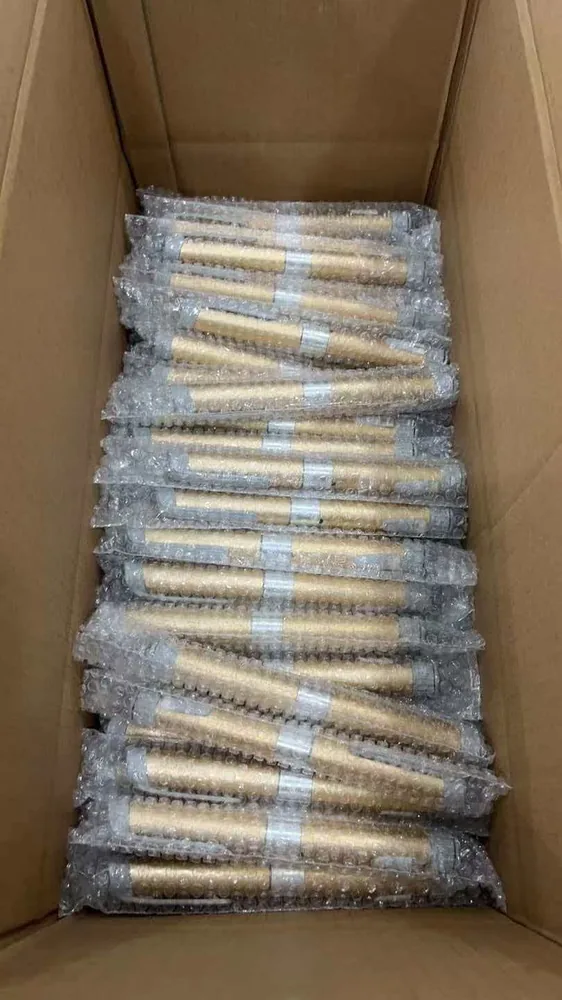
Bulk-packed injection pen samples
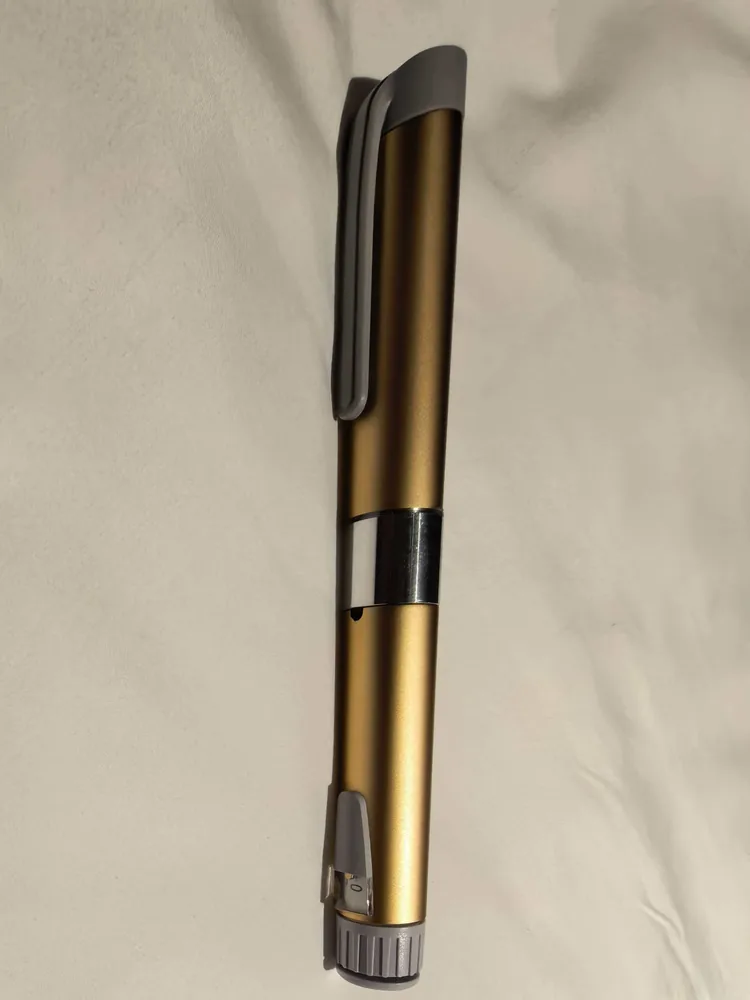
Metal reusable pen sample
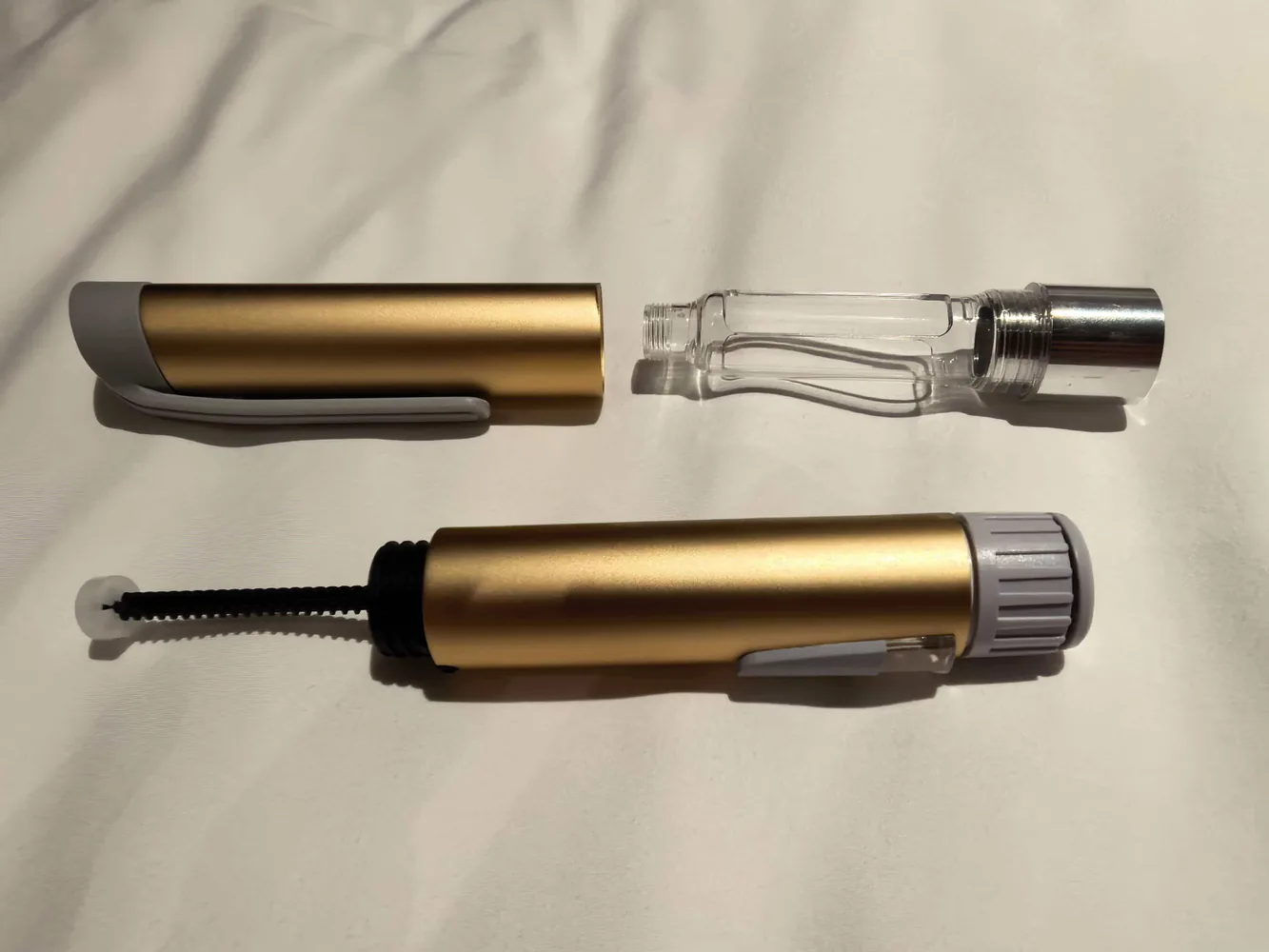
Injection pen component set
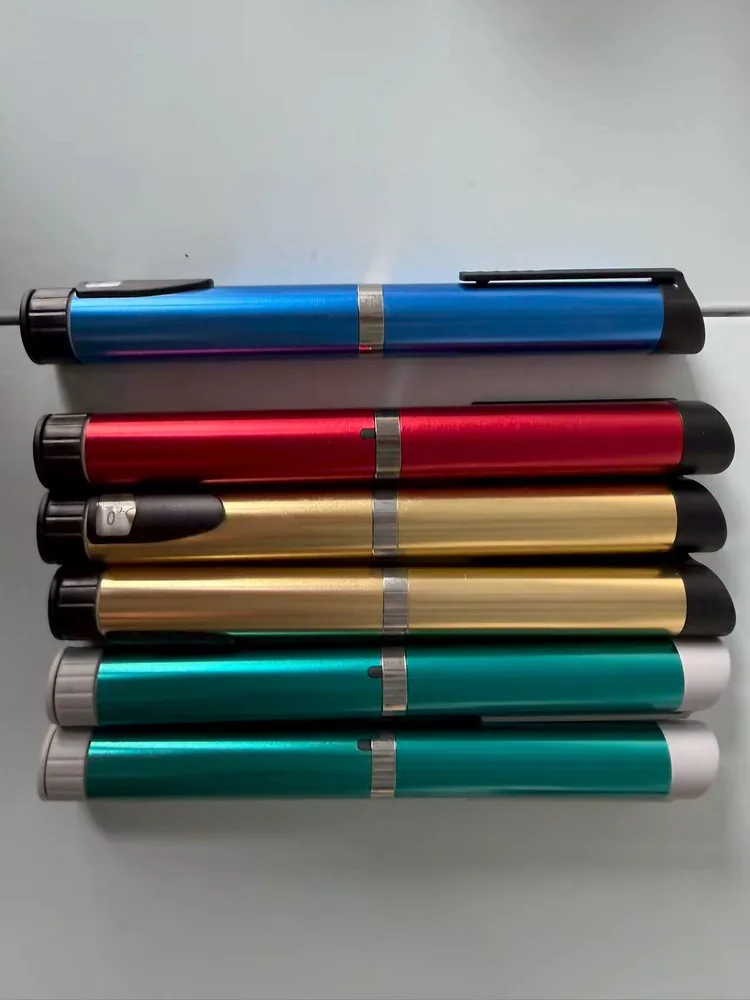
Color and finish sample range
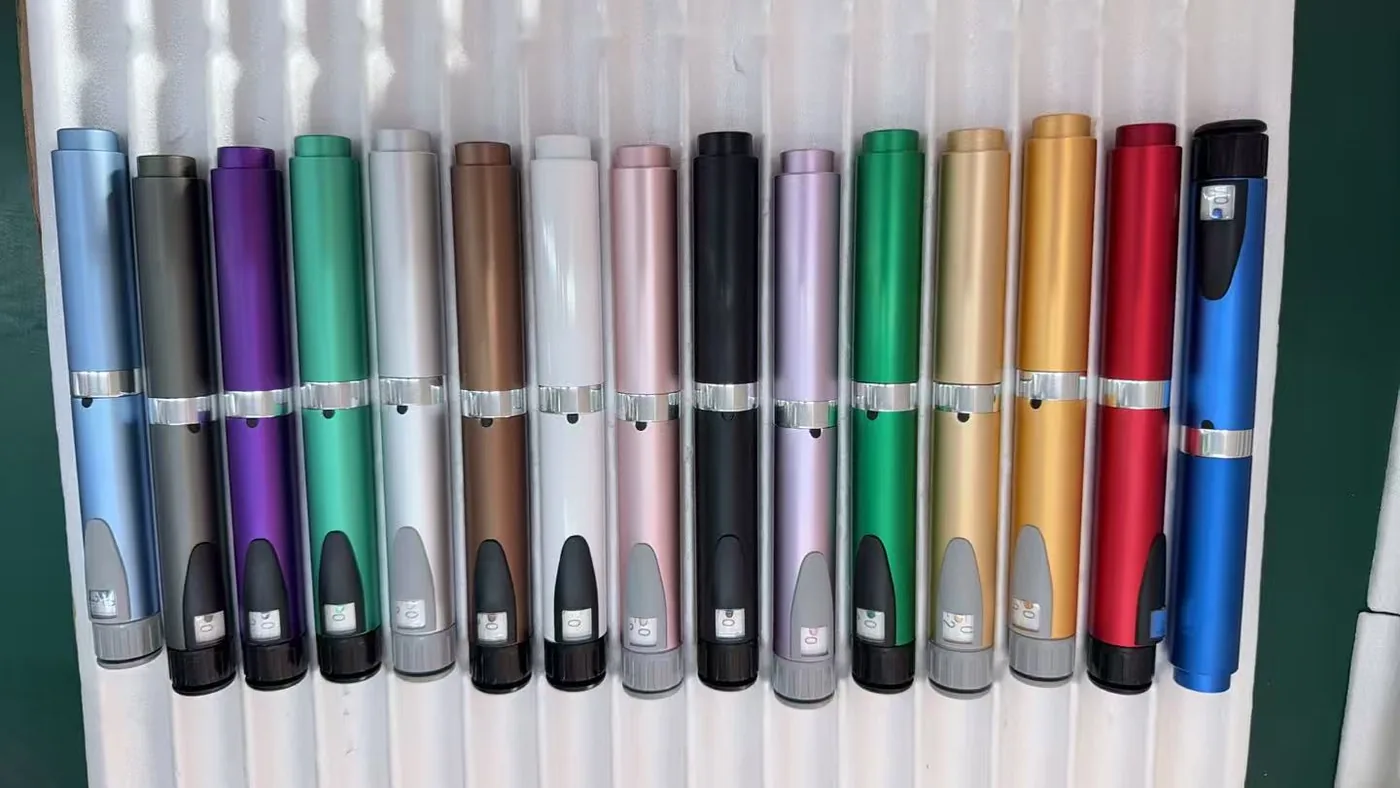
Injection pen sample assortment
Pen injector housing color options
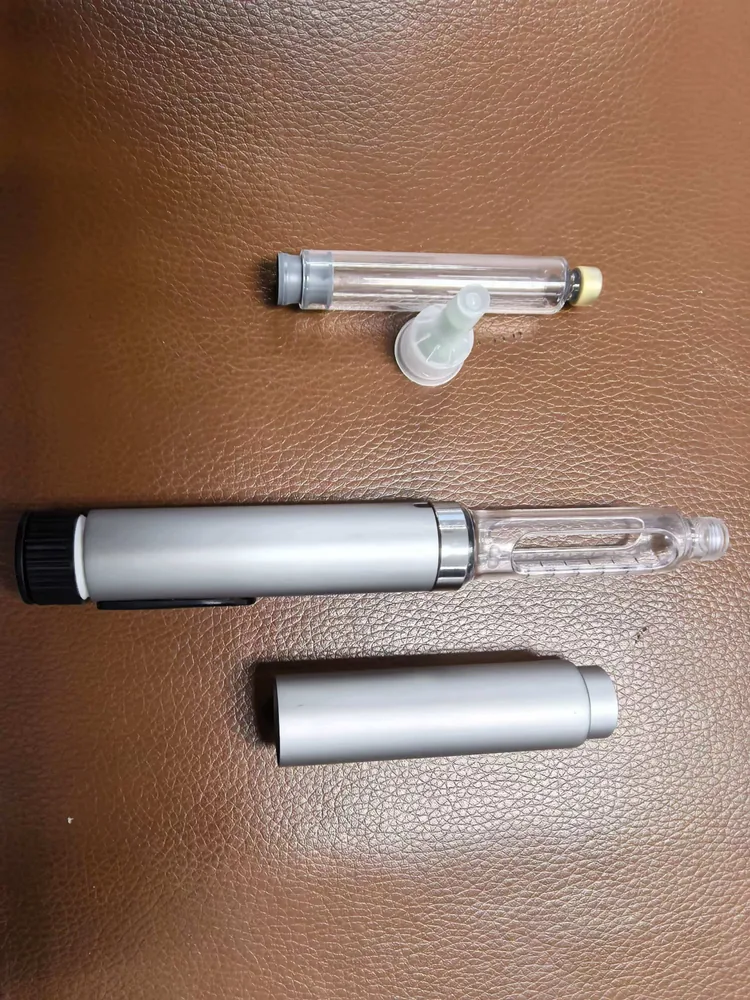
Cartridge interface sample
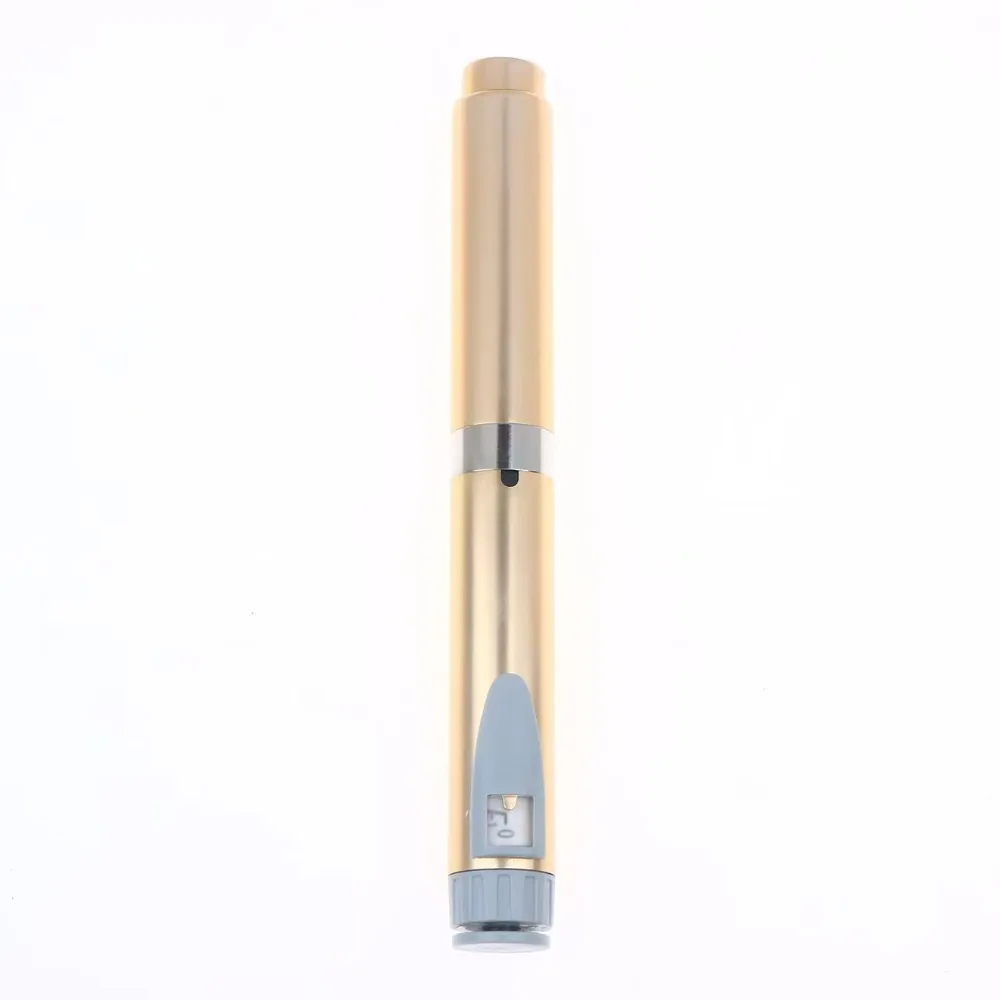
Gold finish reusable pen sample
What buyers should audit
A useful supplier audit should test evidence rather than count logos. Confirm the legal entities and sites involved; review the quality-system scope; follow one batch record from incoming material to release; inspect calibration and maintenance controls; examine nonconformance, corrective-action and change-control records; verify training for relevant operations; and compare the approved sample with drawings, inspection criteria and packaging records. For custom devices, also review design-input traceability, supplier controls, tooling status, software or electronics controls where applicable, and transfer criteria. The audit plan should reflect the risk of the device and the responsibilities assigned in the project, not a generic checklist copied from an unrelated product.
Frequently asked procurement questions
This website does not make a blanket ISO 13485 claim. Request and verify the exact certificate, entity, site, scope and validity for the project.
The company reports ISO 9001:2015 certification; buyers should verify the supporting certificate before reliance.
Audit scope and timing can be discussed for qualified projects under appropriate confidentiality and commercial arrangements.
No. They show form factors and finish references only. Production evidence comes from controlled project records.
Traceability requirements and records are defined for the exact platform, supply chain and contract.