
Direct category answer
Electronic, NFC, Bluetooth and dose-memory injection pen concepts for connected-device programs. These are device-platform pages for professional procurement and engineering comparison, not patient-use products or instructions. The most useful first comparison is not appearance but the combination of primary-container interface, delivery route, activation sequence, dose logic, expected reuse model and evidence requirements. A category shortlist becomes commercially meaningful only after those variables are matched to the intended program and destination market. Where a keyword refers to a specific active ingredient, the page describes the device sourcing context only and does not make therapeutic, efficacy or drug-compatibility claims.
Available platform shortlist
The following products represent common procurement patterns within this category. Product imagery shows design direction and form factor; final mechanical interfaces and specifications require DFM review.
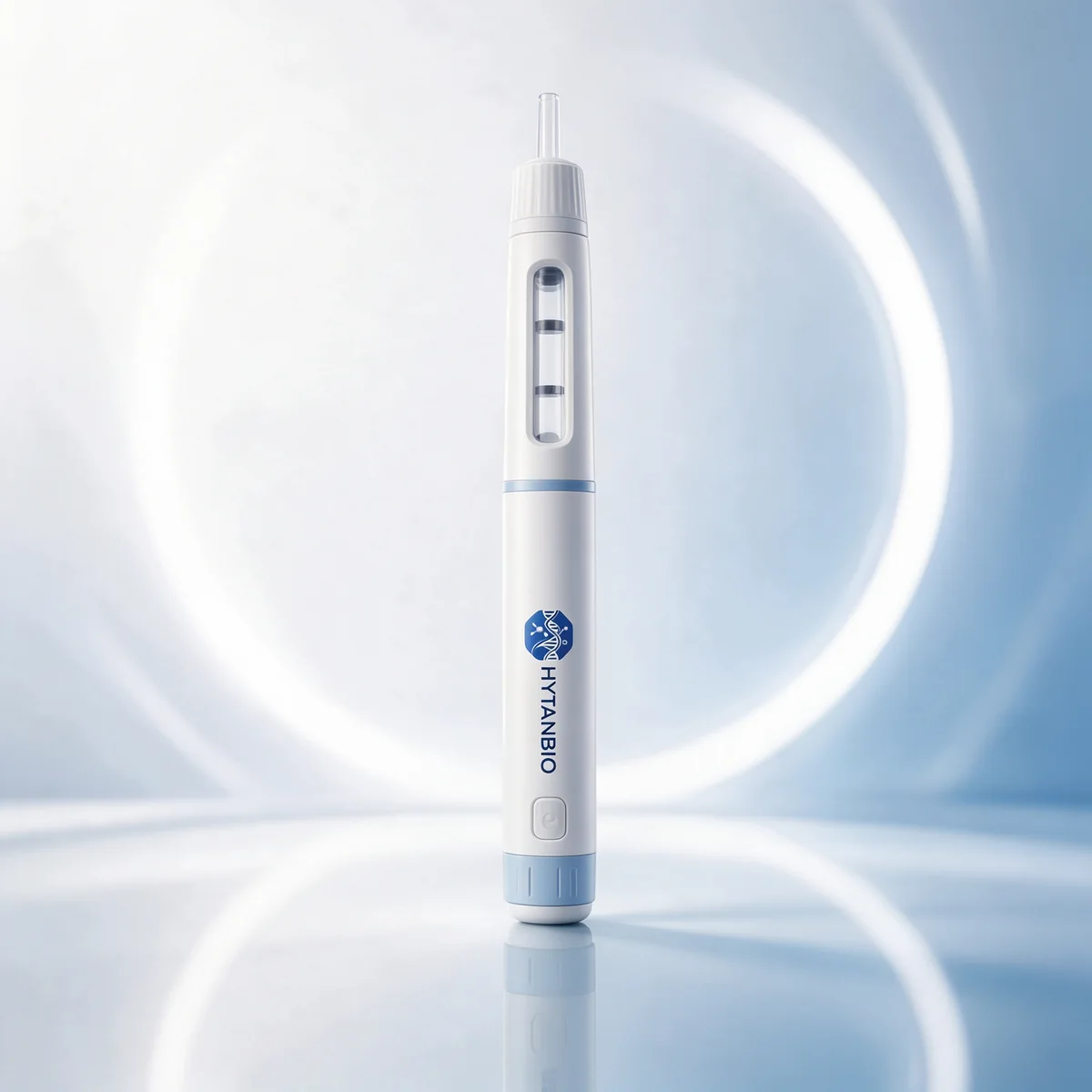
HB-SP400 Connected Dose-Memory Pen
Electronic reusable injection pen concept with 3 ml cartridge and a dose memory concept.
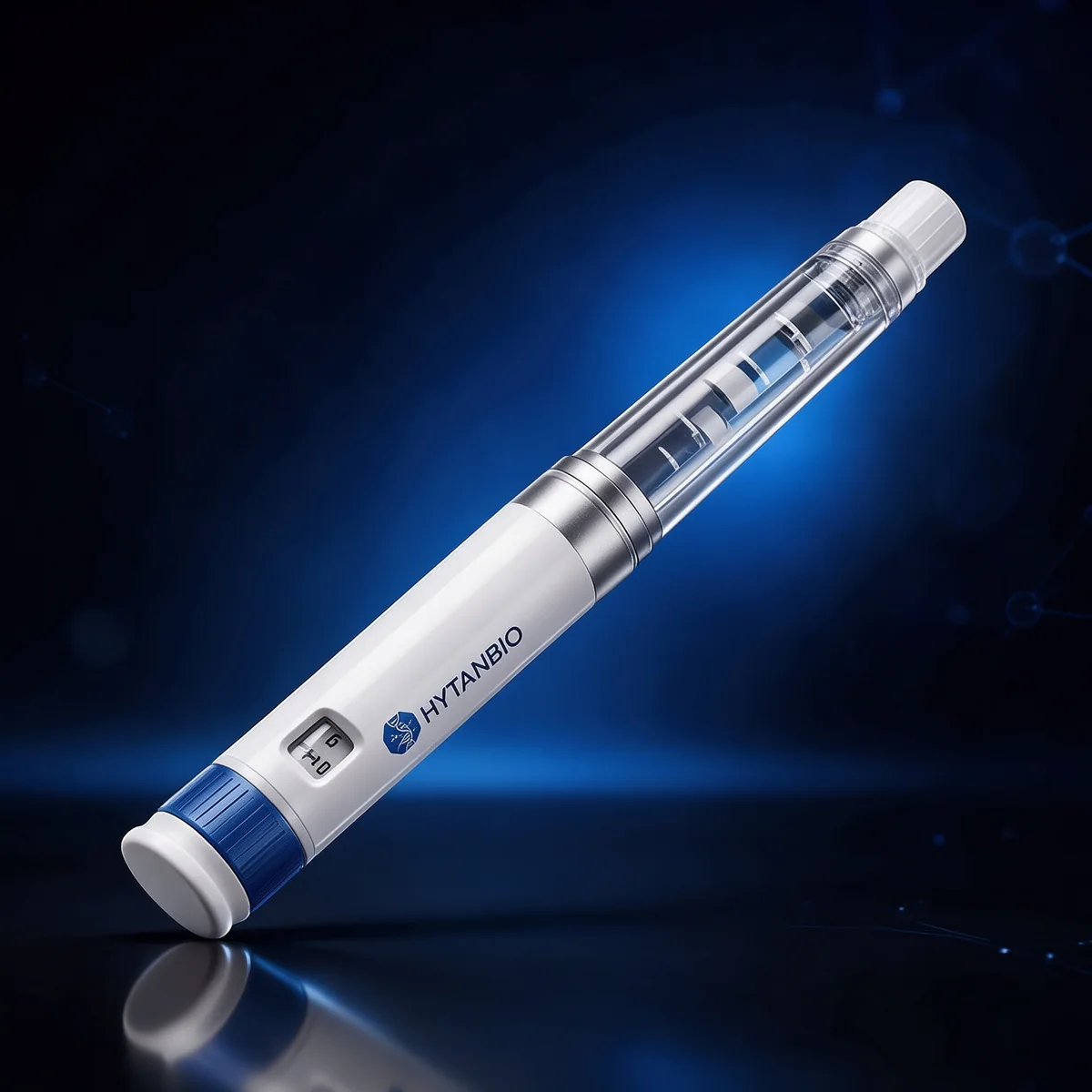
HB-SP410 NFC Injection Pen Platform
NFC-enabled reusable injection pen concept with 3 ml cartridge and a adjustable dose concept.
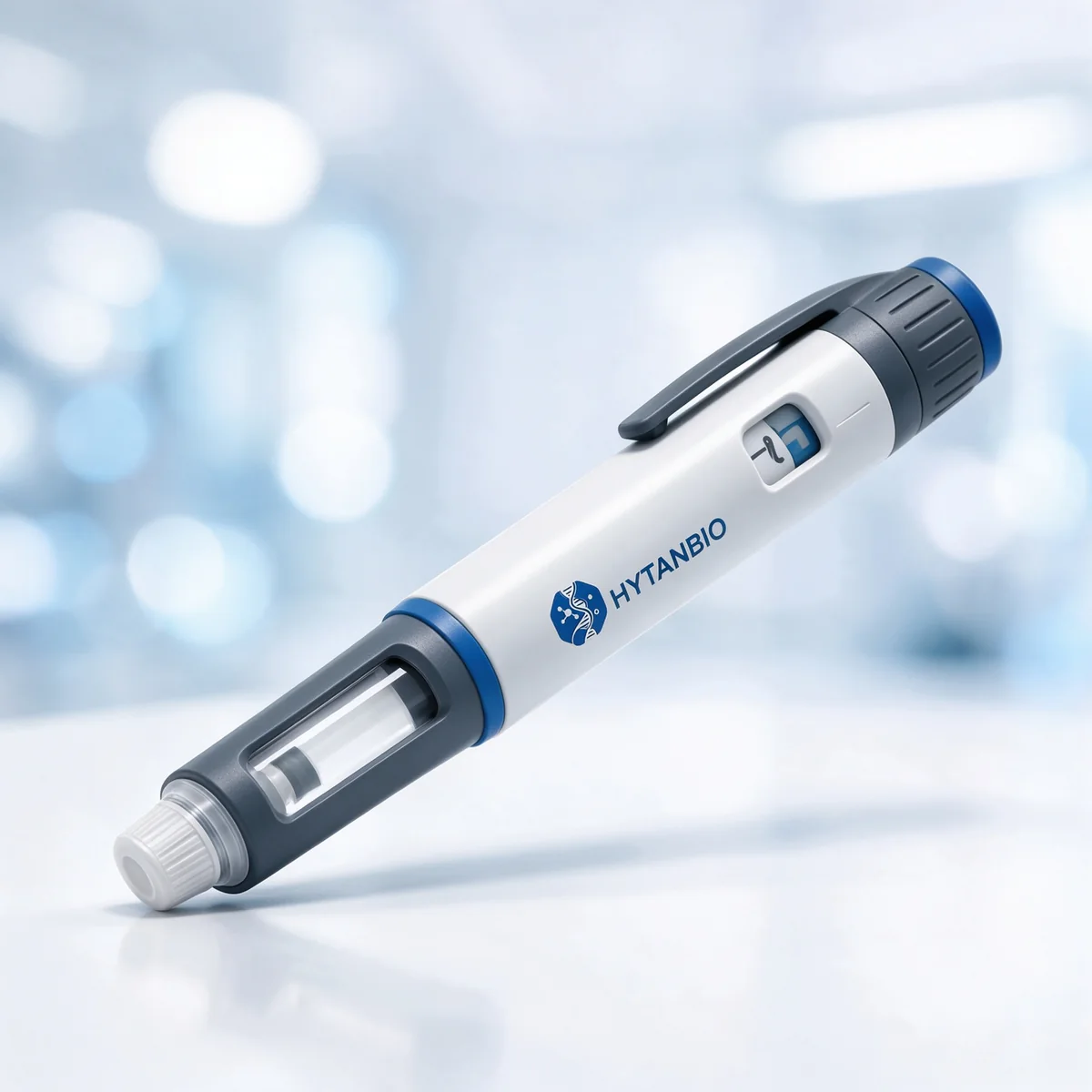
HB-SP420 Bluetooth Pen Injector
Bluetooth reusable injection pen concept with 3 ml cartridge and a electronic logging concept.
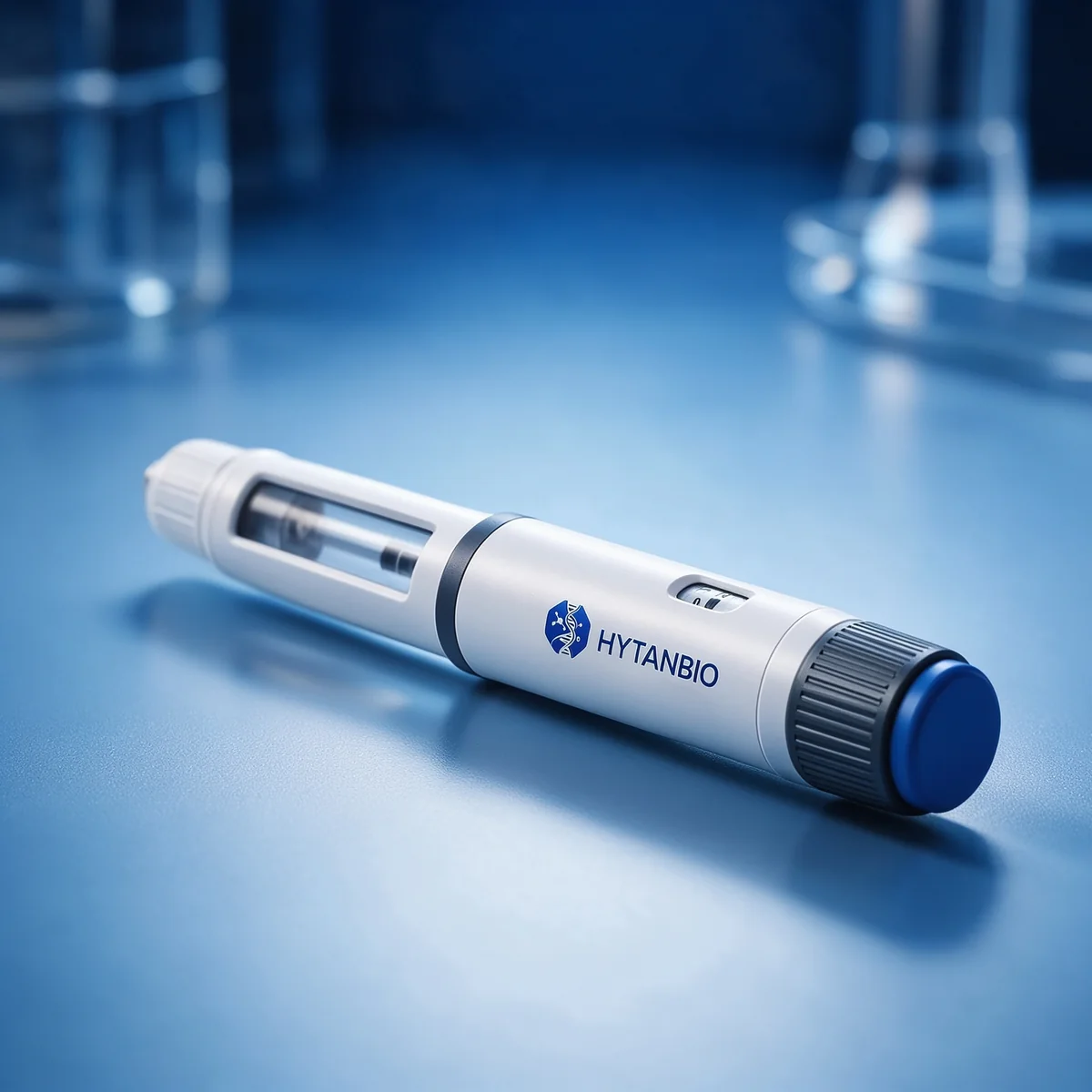
HB-SP430 Digital Display Injection Pen
Electronic display injection pen concept with 3 ml cartridge and a digital dose indication.
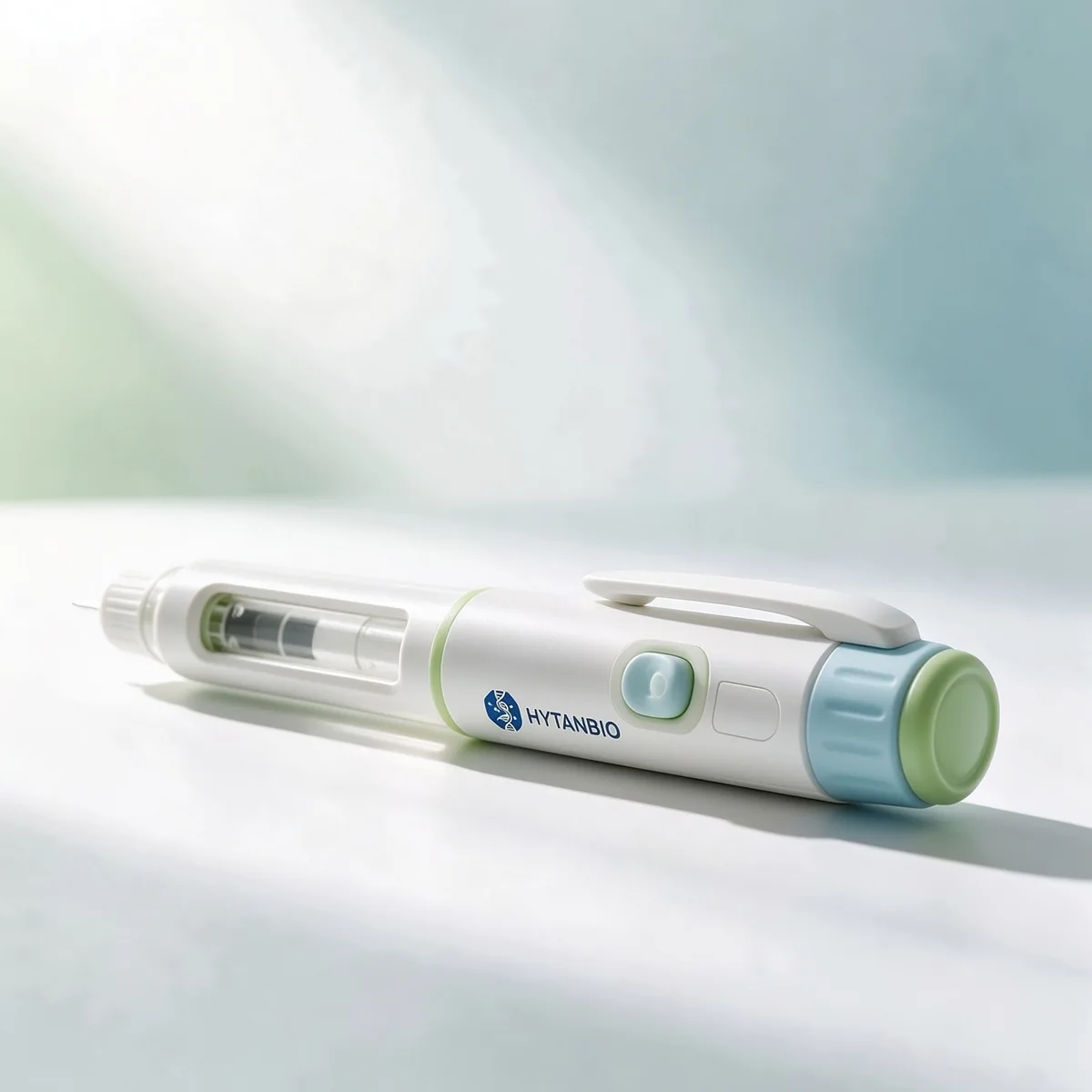
HB-SP440 Connected Add-On Sleeve
Smart accessory injection pen concept with selected pen study and a passive event capture concept.
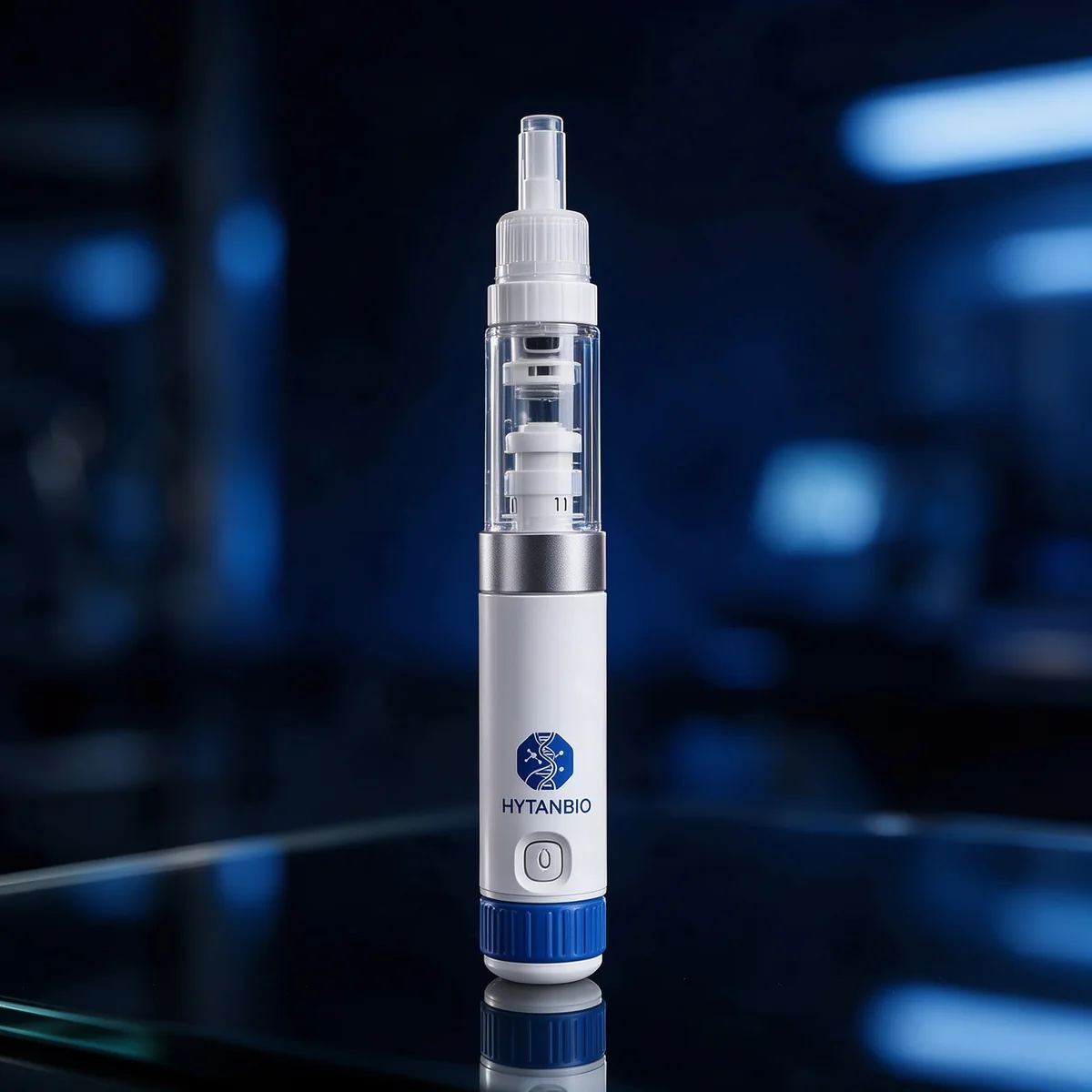
HB-SP450 Electronic Autoinjector Concept
Electronic autoinjector injection pen concept with replaceable cassette study and a programmed delivery concept.
Selection criteria for buyers
Compare the shortlisted devices against a written requirement matrix. At minimum, capture the primary container, nominal volume, intended dose range and increment, actuation force or spring profile, needle or shield concept, target user environment, material restrictions, cleaning or disposal model, human-factors expectations, packaging configuration and forecast volume. Separate mandatory requirements from preferences before requesting price. This lets the supplier distinguish an existing platform, a semi-custom program and a full ODM development. It also makes MOQ, tooling, prototype count, verification work and lead-time assumptions visible instead of hiding them inside a single headline quotation.
Frequently asked procurement questions
Yes, branding and packaging can be evaluated, but the permissible scope depends on the selected platform, legal-manufacturer role, target market and intellectual-property clearance.
Provide target market, primary container, dose concept, annual forecast, launch timing, branding scope and required documentation.
No. MOQ depends on platform maturity, materials, color, printing, packaging, testing and whether new tooling is required.
No. Images are illustrative design references. The signed specification and approved sample control the production configuration.
Regulatory status is product- and market-specific. Evidence must be verified for the exact entity, device configuration, role and destination market.