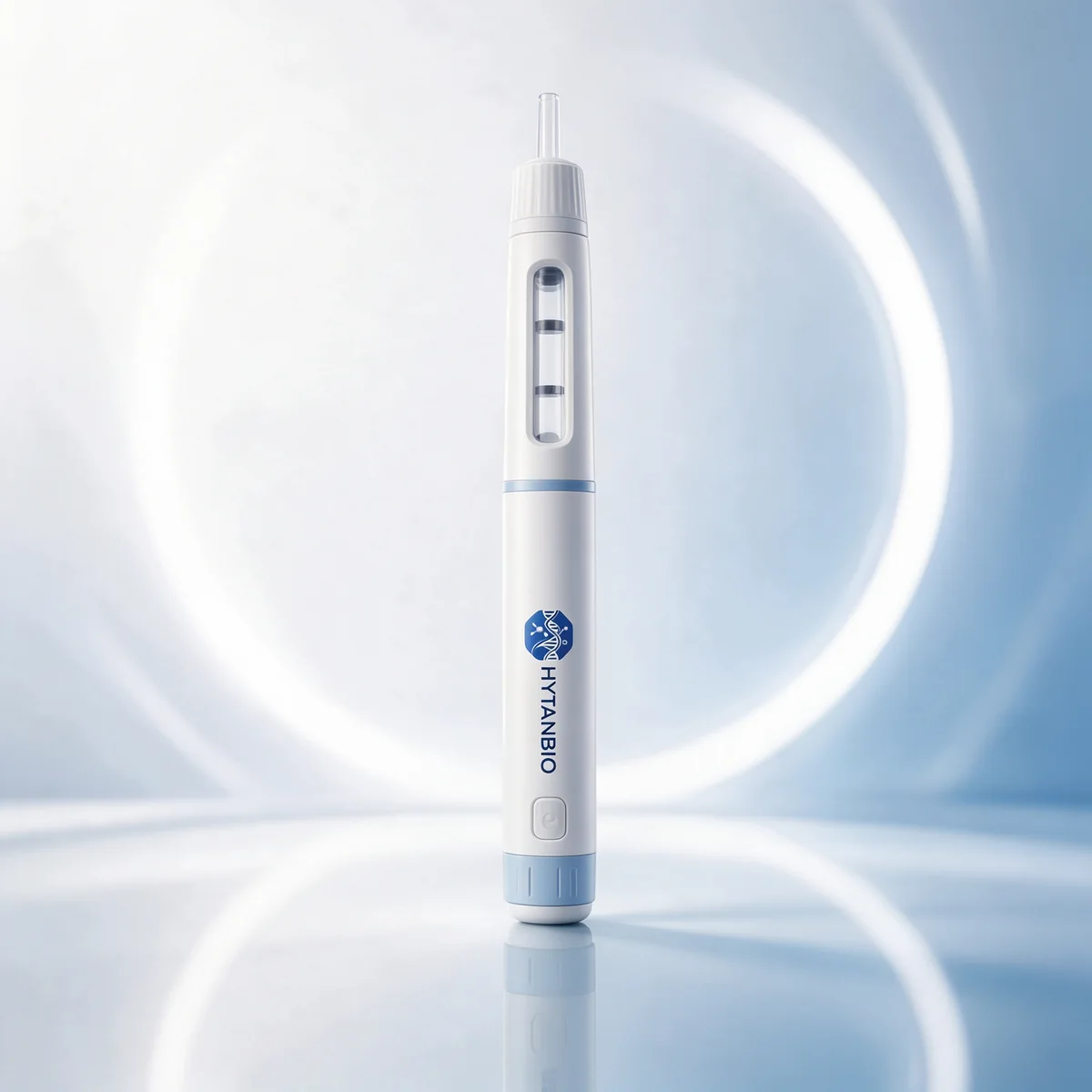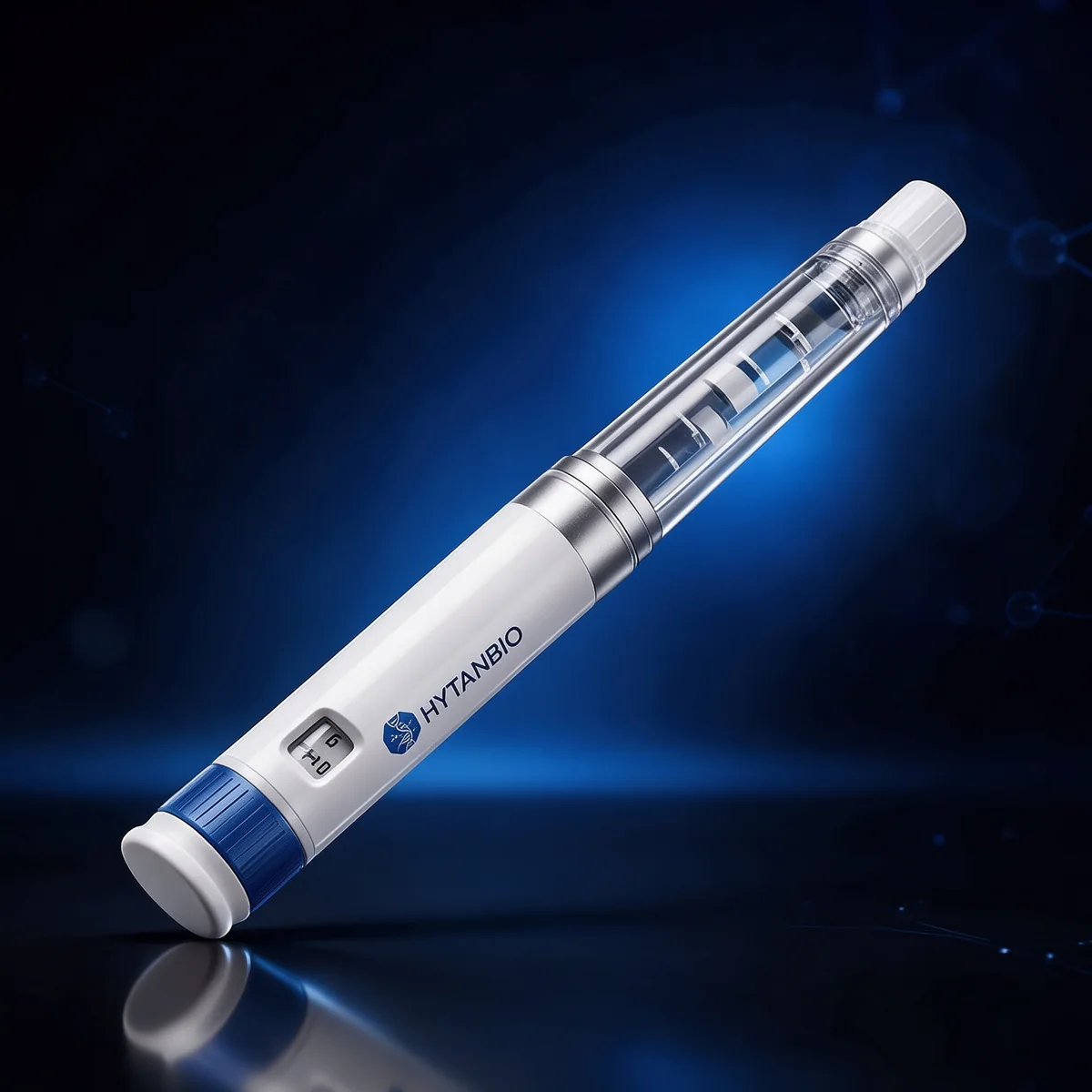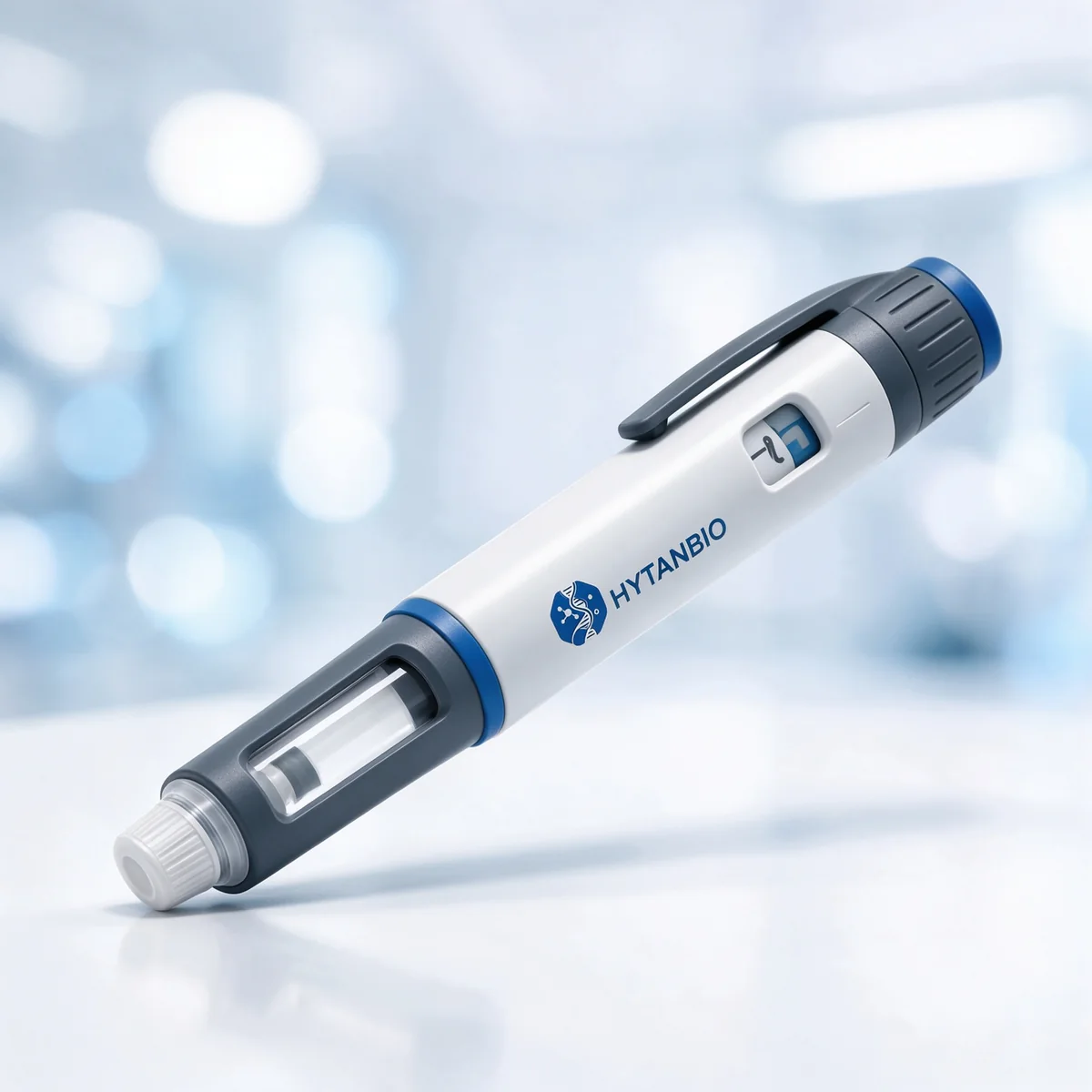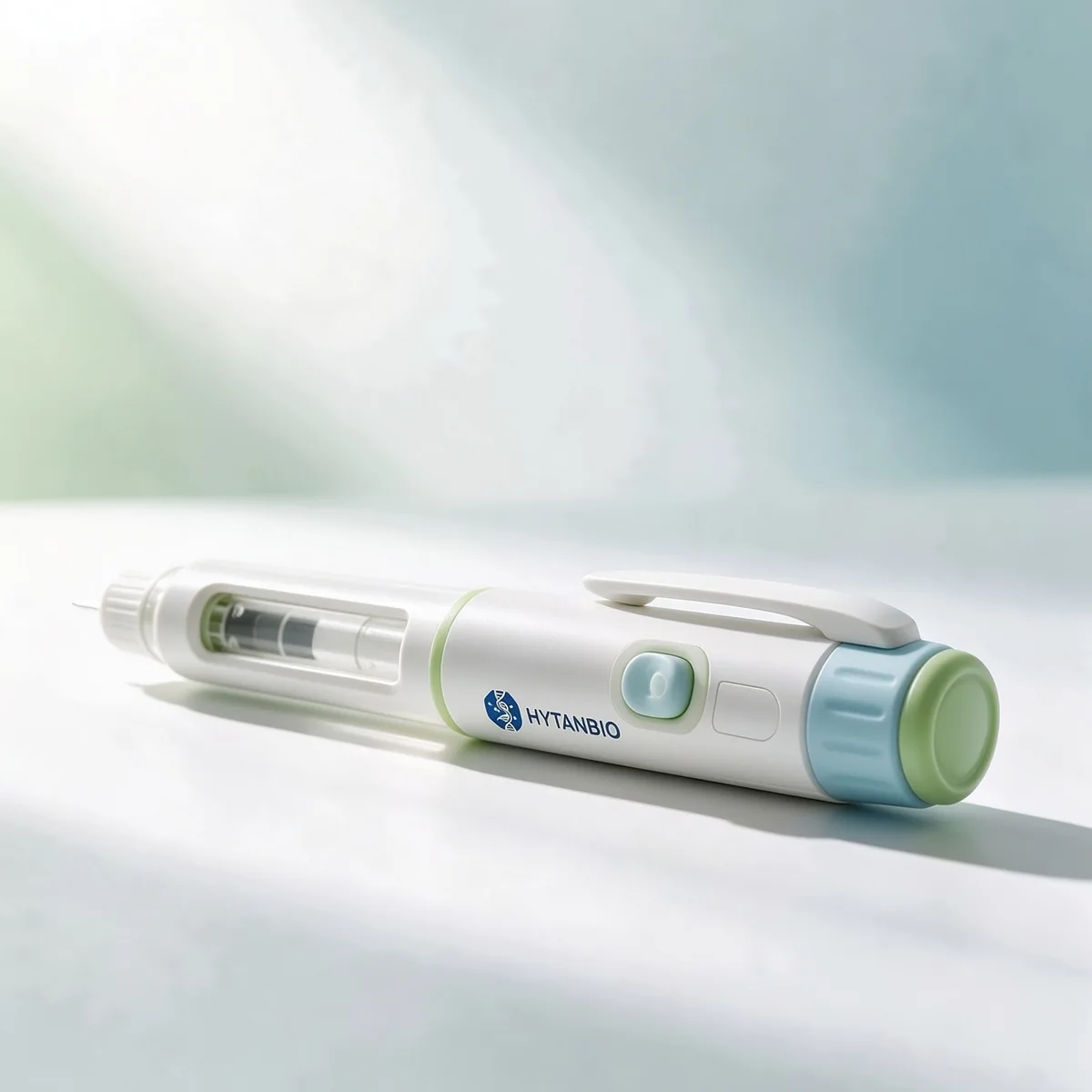
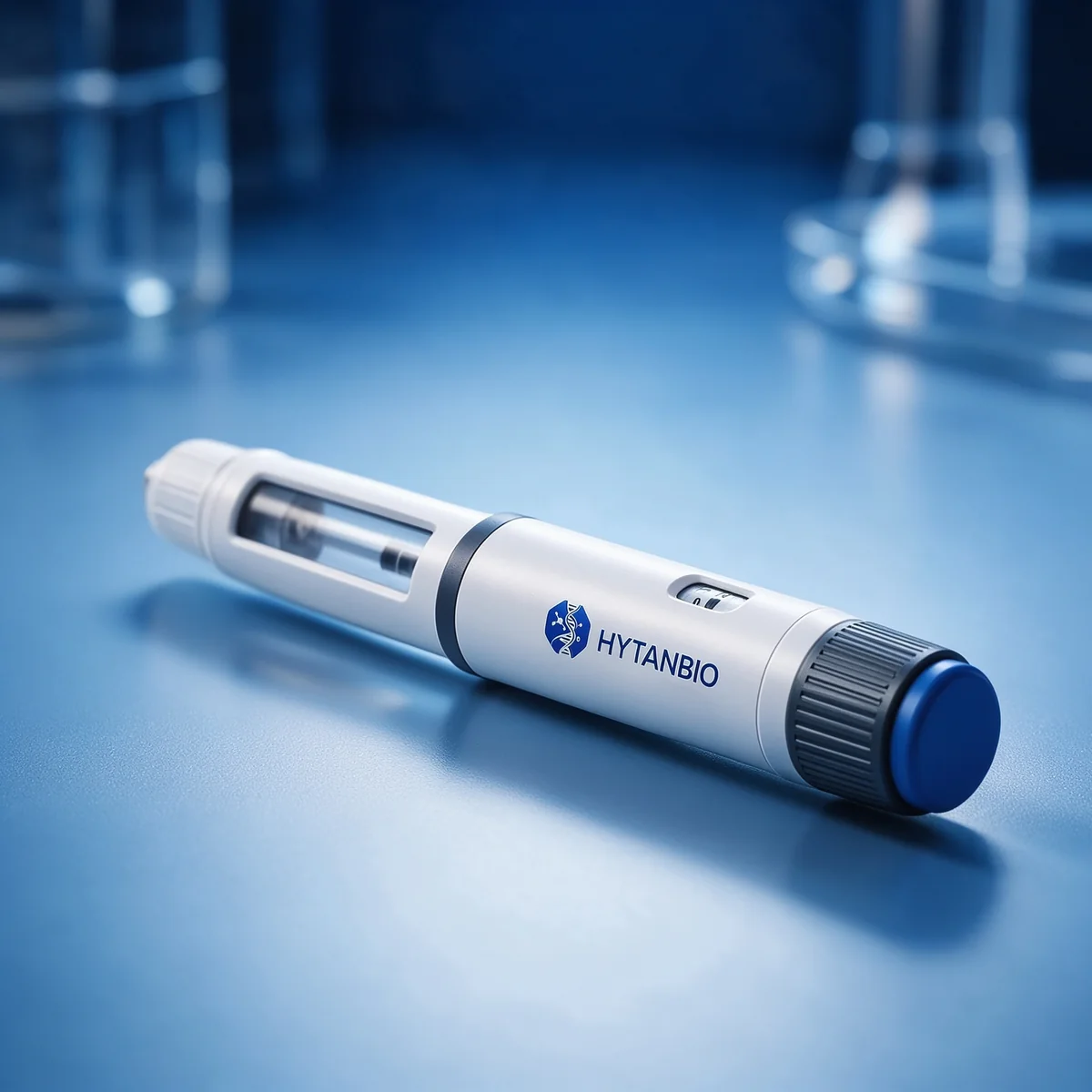
Direct answer for buyers
It is intended for brands, distributors and development teams comparing injection pen architectures. The page summarizes the engineering envelope used to start a feasibility review; it is not a finished medicinal product, a patient-use instruction or evidence of market authorization.
Key engineering parameters
| Model | HB-SP430 |
|---|---|
| Platform category | Smart and Connected Injection Pens |
| Configuration | electronic display |
| Container format | 3 mL cartridge; interface confirmed against the selected primary container. |
| Dose mechanism | Digital dose indication; range and increment require project verification. |
| Primary housing | Medical-grade polymer |
| Customization | Color system, logo application, packaging, instructions, accessories and selected mechanism variables. |
| Documentation | Project-specific specification, drawings, material declarations, inspection records and agreed test evidence. |
Where this platform fits
This electronic display platform is intended for professional teams comparing device architectures for a future injection program. It provides a structured starting point for discussion around the 3 mL cartridge, Digital dose indication and Medical-grade polymer housing direction. It does not establish compatibility with a drug, needle, cartridge or target market. Those conclusions require the selected primary container, formulation-related inputs, user needs, risk controls and verification plan. Buyers should treat the page as a sourcing and DFM prompt: it identifies the questions that materially affect feasibility, tooling, evidence, MOQ and lead time before a binding specification can be issued.
OEM and private-label options
A semi-custom program may include approved color changes, surface finish, logo application, packaging artwork, instructions language and accessory configuration. A deeper OEM or ODM program can examine housing geometry, dose display, control layout, container interface, actuation sequence and other mechanism variables. Every requested change is screened for effect on function, usability, materials, verification and regulatory documentation. Branding work also requires confirmation that the customer controls the relevant marks and has authority to place them on the finished configuration. HYTANBIO separates design presentation from engineering approval so that a visual mockup is never mistaken for a released production specification.
MOQ, samples and lead time
MOQ is quoted only after the configuration is classified as standard, semi-custom or full custom. Standard-color platform samples may be available in small evaluation quantities, while custom color, printing, packaging, electronics, new molds or product-specific testing can increase both pilot and production minimums. A useful quotation therefore states prototype quantity, sample purpose, forecast annual demand, packaging unit, inspection level and expected order cadence. Lead time begins after the agreed inputs and approvals are complete, not when an informal inquiry is sent. The commercial proposal will separate one-time engineering or tooling charges from recurring unit pricing and will state which assumptions can change the schedule.
Evidence and release boundary
The documentation package is defined by the exact device configuration and the roles of the parties. Typical project records may include an approved specification, drawings, bill-of-material references, material declarations, incoming and in-process inspection criteria, agreed performance test outputs, packaging records and batch traceability documents. Company-level certifications do not automatically prove that a specific device is authorized in a target market. Buyers should request the certificate number, entity name, scope, issuing body and validity period, then map product evidence to the intended regulatory pathway. Production release occurs only against the approved sample and signed specification.
Product and sourcing FAQ
No. It is presented as a B2B device platform for engineering and sourcing discussion. A finished product requires project-specific verification, documentation and market authorization.
Potentially yes. Cosmetic changes are reviewed against material, process, labeling, intellectual-property and validation implications before approval.
MOQ is project dependent. Platform status, materials, printing, packaging, testing, electronics and tooling all affect the minimum.